

- This event has passed.
15 October All day
15 October All day
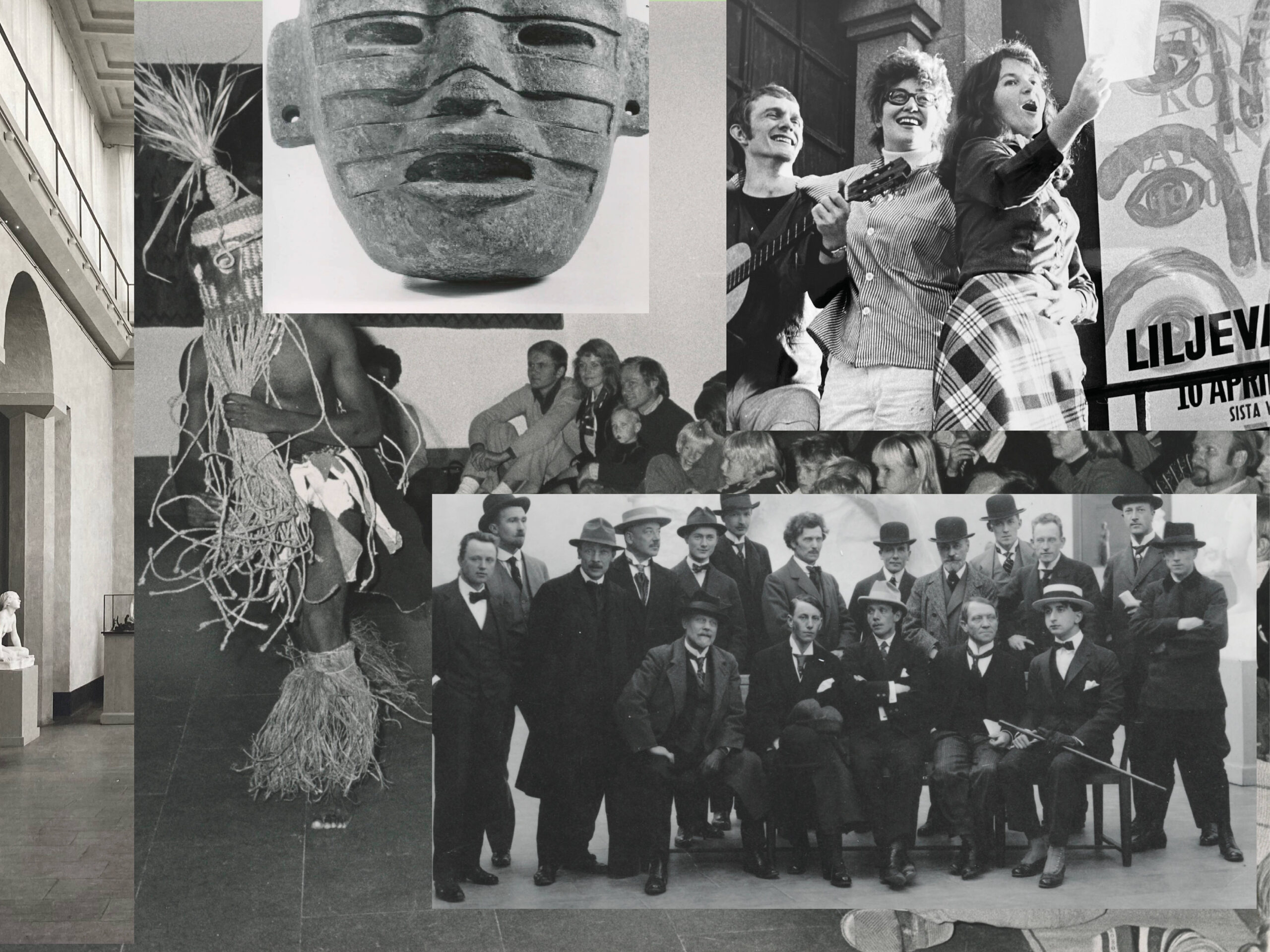
What does the archive of Liljevalchs reveal about the art and society that have unfolded at the institution for over a century? To mark Liljevalchs 110th anniversary, the artist Ingela Johansson has been invited to curate a program in two parts, in which she examines the history of the art institution.
In Ingela Johansson’s artistic practice, she explores Sweden’s connection to the wider world, and is well known for her expert archival work. Here, she deep dives into the ways Liljevalchs has shaped conceptions of art, which artistic expressions have been granted space and the impacts different periods of time have had on the institution. The archive becomes a material through which Johansson analyses the changes, disparities and blind spots of the institution.
Liljevalchs is a “home for artists” that grew out of a vision about strengthening the art life at a time when public spaces for art were rare. What was considered urgent within the Western contemporary art at the time was given a central location in an esteemed architectural building. Simultaneously, an exhibition space for traditional practices such as arts and crafts and design was enabled: the popular associations and civic organisations got the opportunity to represent their members and art was educational.
For more than a century, the programme of Liljevalchs has oscillated between the local, the everyday and international art scenes. The art institution has mirrored both social phenomena and commercial aspects of art and political structures. In particular, this was the focal point during the women’s rights movement with renowned women’s historical exhibitions. In her extensive archival research, Ingela Johansson has scrutinized the history of Liljevalchs and asked herself what the wide range of art showcased at the institution has meant.
Over two public talks with invited guests, Johansson presents parts of her inquiry. This is the first iteration of this series, subtitled A room of one’s own for Art.
Part I: A room of one’s own for Art
Participants: Ingela Johansson, artist and curator for the program, Joanna Zawieja, architect and curator, Pella Myrstener, PhD in Art History. Corina Oprea, curator and Head of Public Engagement of Liljevalchs, will moderate the panel discussion.
6.00 pm Introduction by Corina Oprea, followed by a speculative lecture by Ingela Johansson, ranging from the institutions time of establishment, through World War II and into the 1950’s developing ideas about the modern museum.
6.30 pm With the history of Liljevalchs as a point of departure, Joanna Zawieja looks forward and asks herself what we really are building when we are building a room for art. Apart from the art itself, what takes place there? And what role can the art institution hold as a communal room and social infrastructure in the city?
6.40 pm Panel discussion with Ingela Johansson, Joanna Zawieja and Pella Myrstener. The discussion is moderated by Corina Oprea.
The programme is held in Swedish. Limited capacity. Admission to Liljevalchs is included in the ticket.
Part 2: Liljevalchs, the women’s struggle and the social room is held 3 December at 6 pm. Invited guests are Malin Arnell, Gittan Jönsson and Gunilla Lundahl.
Ingela Johansson, curator
Ingela Johansson often explores themes such as social history and collective experiences of historiography through activating archives. Lately, her work has engaged with practices of care, reproduction of labour and storytelling at the intersection of eco feminism and cosmologies. In 2013, she published Gruvstrejken, röster om kulturellt och politiskt arbete under och efter den stora gruvstrejken 1969–70 and in 2026, she was awarded the HULT residency. Photo: Anna Nordström
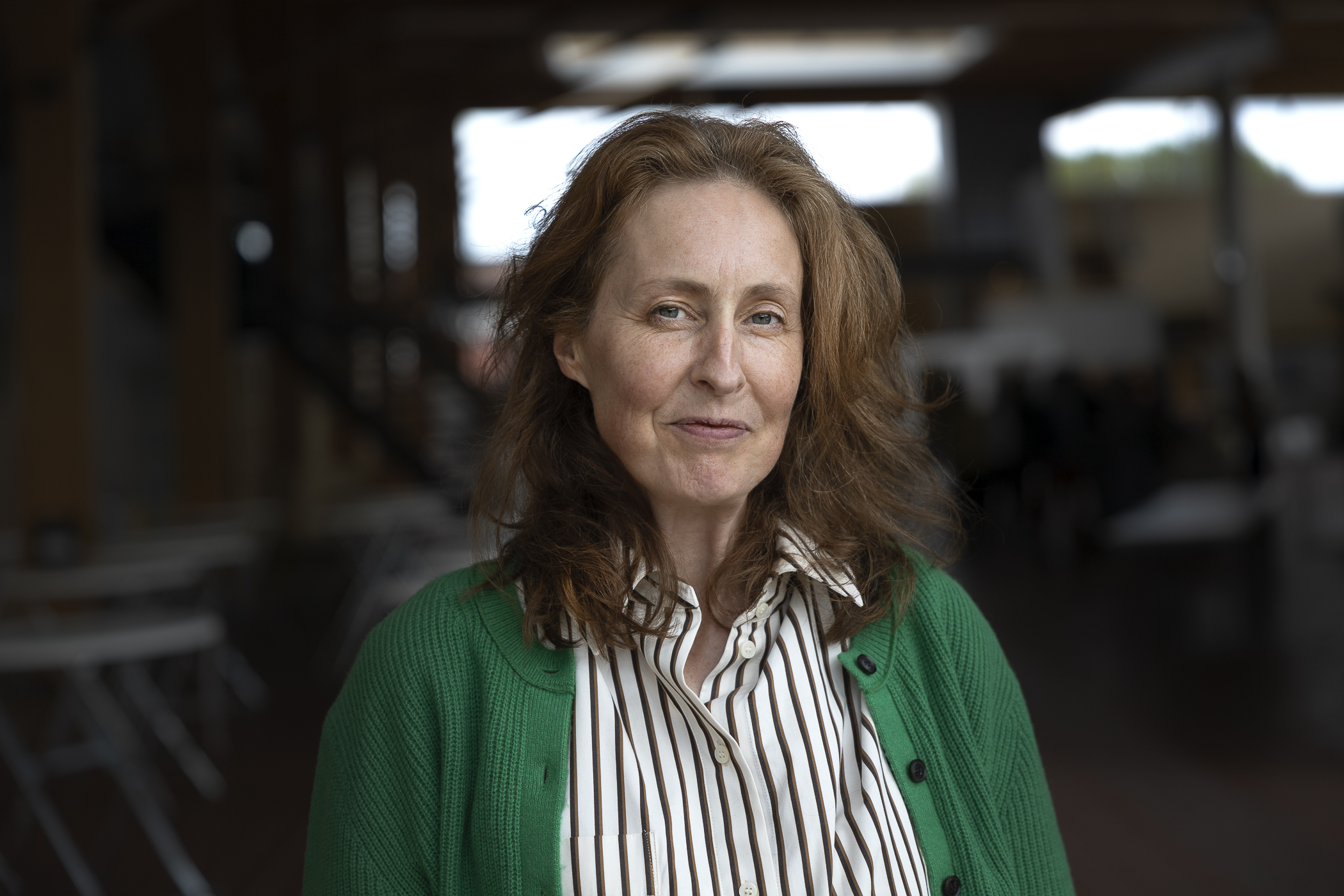
Joanna Zawieja, architect and curator
Joanna Zawieja’s work range from urban planning and developing cultural institutions to curatorial frameworks and public art – always focusing on creating space for the commons. She is currently working on the establishment of a permanent museum building for The Swedish Holocaust Museum at Blaiseholmen in Stockholm, and with public art in the urban development of Backaplan in Gothenburg. She writes and lectures regularly on architecture and society.

Pella Myrstener, PhD in Art History
Pella Myrstener received her PhD from Södertörn University in 2025, titled Art in Transit. Temporary Exhibitions of Foreign Contemporary Art in Sweden 1945–1969, which offers a new perspective on how Swedish art institutions met the wider world in the aftermath of the Second World War. She teaches Art History and Visual Studies at Umeå University. Photo: Johnny Isaksson.
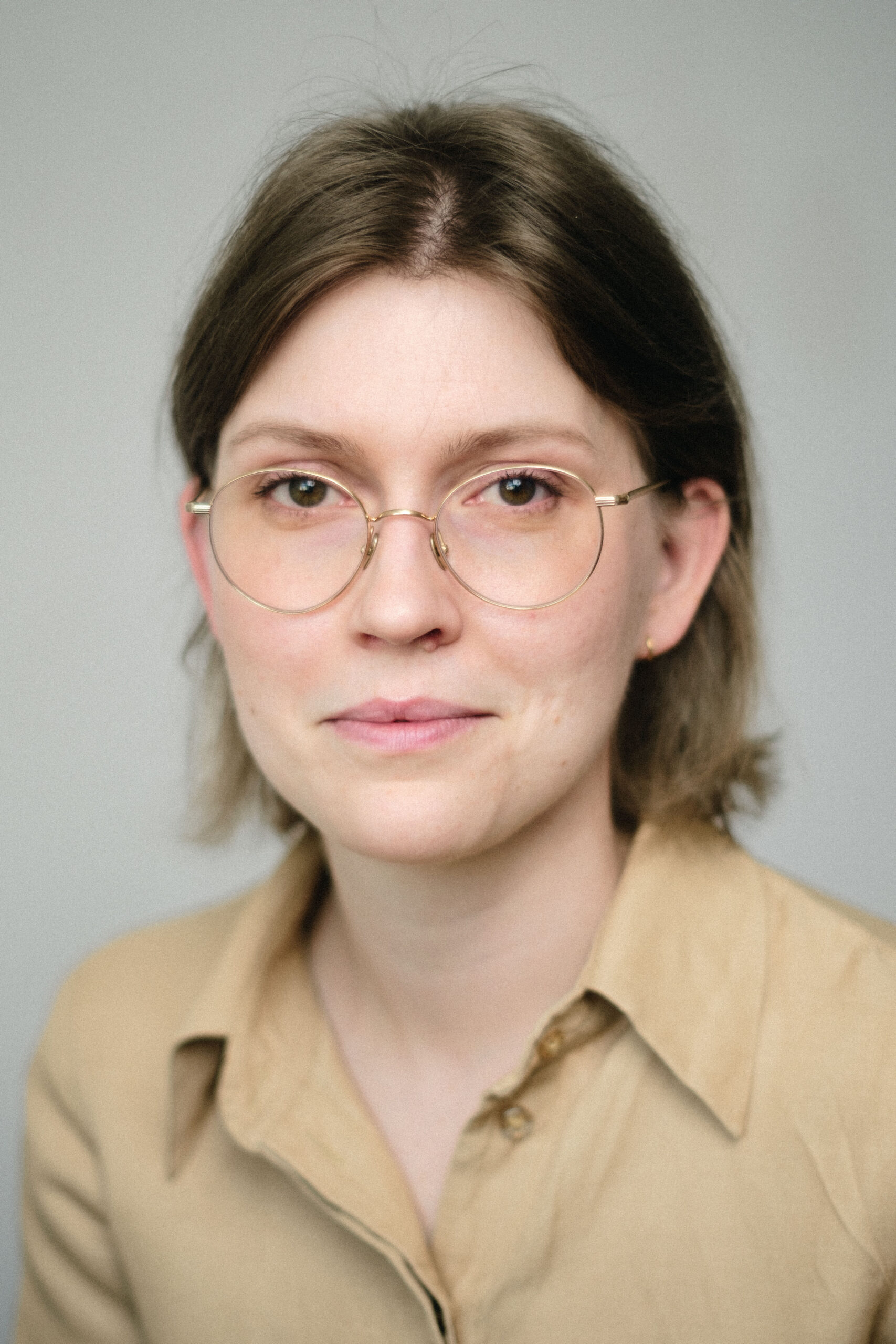
Corina Oprea, Head of Public Engagement at Liljevalchs
Corina Oprea is a curator, researcher and editor, and since autumn 2026 Head of Public Engagement at Liljevalchs. Her work is often guided by decolonial perspectives and an interest in how cultural institutions can engage with public life. She is co-curator of the Romanian Pavilion at the 61st International Art Exhibition – La Biennale di Venezia 2026. Previously, she held curatorial roles at Moderna Museet and IASPIS, and was Artistic Director of Konsthall C. Photo: Friyal Mohammedsadik